How Long Does a Facelift Last? A Beverly Hills Surgeon’s Guide to Facelift Longevity
By Gary Motykie, MD
A surgical facelift that lifts the deeper structures of the face, such as a SMAS or deep plane facelift, typically lasts 10 years or longer, and many patients continue to look younger than their peers well beyond that point. Skin-only “mini” facelifts tend to fade within a few years, while non-surgical options like thread lifts and injectables last only months.
Key Takeaways
Deep plane and extended deep plane facelifts generally offer the longest-lasting results, commonly 10 to 15 years.
SMAS facelifts typically hold for about 7 to 10 years.
Skin-only “mini” facelifts often need revision within 2 to 5 years.
Your face never stops aging, but a well-done facelift resets the starting point, so you continue to look younger since your aging clock has been set backward.
Sun protection, a stable weight, avoiding nicotine, and ongoing skin care all meaningfully extend results.
That’s the short answer. The more useful information depends on what was actually done during surgery, your skin’s current condition, and how you care for your face afterward. Board-certified plastic surgeon Dr. Gary Motykie, who sees patients from Beverly Hills, Los Angeles, and around the world, has an unusual vantage point on this question: he often corrects surgery performed elsewhere. He sees, firsthand, which facelifts hold up over time and which ones don’t.
Facelift Longevity at a Glance
Dr. Motykie offers a full spectrum of facial rejuvenation, from non-surgical treatments at Motykie Med Spa to his comprehensive Stellar Facelift. Here’s how long results from each option typically last.
Option
What It Addresses
Typical Longevity*
Mini / skin-only facelift
Skin of the lower face and neck
2–5 years
SMAS facelift
Jowls, jawline, neck, lower cheeks
7–10 years
Deep plane facelift
Midface, cheeks, jawline, and neck
10–15 years
Extended deep plane facelift
Deep plane correction plus more complete neck and jawline release
10–15+ years
Stellar Facelift
Customized multi-layer lift combining SMAS and Deep plane techniques) plus volume restoration
10–15+ years for the lift; grafted fat that survives is long-lasting
Thread lift
Mild laxity in the cheeks and jowls
About 9-12 months
*Ranges reflect typical clinical experience. Individual results vary based on anatomy, skin quality, lifestyle, and technique
Why “Lasting” Means Something Different Than You Might Think
It’s tempting to think of a facelift like a coat of paint that eventually wears off. A better comparison is setting a clock back. Surgery repositions tissue that has descended, removes excess skin, and, when done thoughtfully, restores volume that has been lost. From that day forward, your face continues to age at its natural pace, or a slower one, just from a younger starting point.
So when surgeons say a facelift lasts 10 years, they don’t mean that in year eleven your face suddenly returns to where it was. They mean that after roughly a decade, enough natural aging has accumulated that some patients choose to refresh their results. Even then, a patient who had a well-performed facelift ten years ago will generally still look younger than they would have without it. In addition, with Deep plane lifts, the supporting structures of your face have been lifted and secured, which helps to slow their otherwise natural descent with the aging process.
How Long Each Type of Facelift Lasts
The single biggest factor in how long facelift results last is which layers of the face were addressed. For a detailed explanation of each technique itself, see Dr. Motykie’s facelift page. Here, we’ll focus on what each approach means for longevity.
Mini or Skin-Only Facelift: 2 to 5 Years
The shortest-lived results usually come from procedures that only tighten skin. Skin is elastic by nature, and when it alone is asked to hold the face up, it stretches back out relatively quickly. This is why Dr. Motykie generally advises against skin-only approaches. Many of the patients who come to him for revision surgery had a mini facelift elsewhere and found the improvement faded within a few years, sometimes leaving behind a tight or windswept look in the meantime.
SMAS Facelift: 7 to 10 Years
Lifting the SMAS, the supportive layer beneath the skin, shifts the work of holding the face from the skin to a sturdier structure. That’s the main reason a SMAS facelift lasts noticeably longer than a skin-only procedure. Improvements along the jawline and neck tend to hold particularly well. The trade-off is that a traditional SMAS lift doesn’t reposition the midface as completely, so the cheeks may begin to show age sooner than the lower face.
Deep Plane and Extended Deep Plane Facelift: 10 to 15 Years
When patients ask which facelift lasts the longest, the deep plane facelift is usually the answer. Rather than pulling on tissue, the surgeon releases the ligaments that tether the face and repositions skin, fat, and muscle together as a single unit. Because the lift is anchored deep, the skin itself carries very little tension, and low-tension results are the ones that age most gracefully.
The extended deep plane facelift, which Dr. Motykie performs for patients with more pronounced jowling or neck laxity, releases additional ligaments along the jaw and neck. For patients bothered by a loose or banded neck, that more complete release is often what keeps the jawline crisp years later. Learn more about the deep plane facelift in Beverly Hills.
The Stellar Facelift: A Long-Lasting Lift With Volume Built In
Dr. Motykie’s Stellar Facelift combines elements of SMAS and deep plane, with stem cell-enhanced fat grafting and skin rejuvenation, all tailored to the individual. From a longevity standpoint, its advantage is that it addresses two separate aging processes at once.
Most facelifts are judged by how long the lift holds. But the face also ages by losing volume in the temples, cheeks, and under the eyes. A lift that ignores volume can look tired or hollow even while the jawline is still tight. Fat grafting becomes living tissue that replaces what is naturally lost with the normal aging process, so restoring volume during surgery helps the overall result stay balanced and youthful over many years.
What Revision Surgery Reveals About Facelifts That Last
Because part of Dr. Motykie’s practice involves correcting prior surgery, he has an unusually clear view of why some facelifts fade early. A few patterns come up again and again:
Skin-only tightening that relaxes within a few years
Excess tension on the skin, leading to widened scars, a pulled appearance, or distortion around the earlobes
Lifting without restoring volume, leaving the face tight but hollow
Neck laxity that wasn’t fully addressed, so the jawline fades sooner than expected
The common thread is that a surgeon’s judgment about which layers to lift, tighten, and replace volume influences how long a facelift lasts, as well as producing a younger, rested version of the patient rather than someone who appears pulled or over-filled.
Factors That Affect How Long Your Facelift Results Last
Your Skin Quality and Age at the Time of Surgery
Thicker, more elastic skin holds a result better than skin that has already lost significant collagen. Patients who have a facelift while their skin still has good elasticity, often in their 40s or 50s, tend to enjoy results that last longer. That said, healthy patients in their 60s and 70s routinely have excellent, long-lasting outcomes. Overall health matters more than the number on your birth certificate.
Sun Exposure
Southern California sunshine is part of the appeal of living in Los Angeles, but UV exposure breaks down collagen and elastin faster than almost anything else. Daily broad-spectrum sunscreen is one of the simplest ways to protect your investment.
Smoking and Nicotine
Nicotine constricts blood vessels, affecting both healing and long-term skin quality. Patients who avoid smoking and vaping generally keep their results longer.
Weight Changes, Including GLP-1 Medications
Significant weight loss after surgery can deflate facial volume and loosen skin. This has become more relevant with the rise of semaglutide and similar medications. Dr. Motykie has been widely quoted in the media on the facial changes that can accompany rapid weight loss, often called “Ozempic face.” If you’re planning to lose a meaningful amount of weight, it’s generally best to reach a stable weight before your facelift.
Genetics
Some people simply age more slowly thanks to inherited differences in skin thickness, bone structure, and collagen production. You can’t change your genes, but knowing your family’s aging pattern can help Dr. Motykie plan a result that suits you long-term.
How to Help Your Facelift Results Last Longer
Patients have more influence over longevity than they often expect. The habits that matter most are:
Wearing broad-spectrum sunscreen every day, rain or shine
Keeping your follow-up appointments, even years after surgery
Because Dr. Motykie’s practice integrates surgery with regenerative care and a full-service med spa, patients can continue caring for their results under one roof for years after their facelift.
What Happens 10 Years After a Facelift?
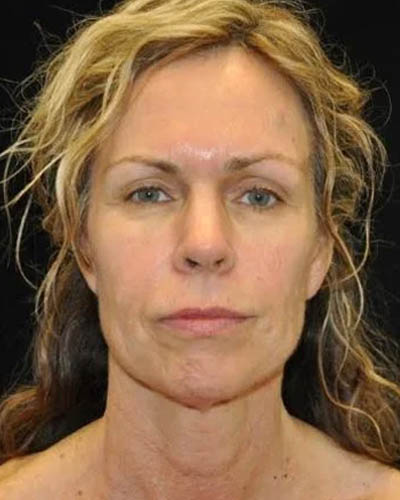
Around the ten-year mark, most patients notice some softening along the jawline or neck, along with fine lines in the skin itself, which a facelift was never designed to stop. The face doesn’t revert, though. Patients a decade out typically still look younger than they would have without surgery, and many choose a smaller refresh, such as facial fat grafting, a limited neck tightening, or non-surgical treatments, rather than a full second facelift.
Can You Have a Second Facelift?
Yes. A secondary facelift is common, and Dr. Motykie performs them both for his own long-term patients and for patients whose first facelift was done elsewhere. When the original surgery was well executed, a second facelift is often less extensive than the first. When the first surgery relied on skin tension or left the face looking pulled, revision is considerably more complex, which makes the surgeon’s revision experience an important part of the decision.
Frequently Asked Questions
How long does a facelift last on average?
Most surgical facelifts that address the deeper layers of the face last about 10 years, and deep plane techniques often last 10 to 15 years. Skin-only facelifts typically last 2 to 5 years.
Does a deep plane facelift last longer than a SMAS facelift?
Generally, yes. Releasing the facial ligaments and lifting tissue as a single unit reduces tension on the skin and improves midface correction, which tends to produce longer-lasting results.
How long does a mini facelift last?
Usually 2 to 5 years. Most mini facelifts rely on skin tension, and skin relaxes relatively quickly. Deeper techniques are a better choice for patients who want lasting results.
Is a facelift permanent?
A facelift doesn’t stop the aging process, but its benefits are lasting. You continue to age from a more youthful starting point, so you will continue to look younger than you would have without surgery.
How long does a neck lift last?
A neck lift that tightens the underlying platysma muscle, rather than just the skin, can often last 10 years or more. Neck muscle tightening is frequently among the most durable parts of a well-performed facelift.
Can losing weight after a facelift affect my results?
Yes. Significant weight loss can reduce facial volume and loosen skin. If you’re planning substantial weight loss, including with GLP-1 medications, it’s best to reach a stable weight before surgery.
What is the best age to get a facelift for long-lasting results?
There’s no single ideal age. Patients with good skin elasticity, often in their 40s to 60s, tend to see the longest-lasting results, but healthy patients in their 70s can also be excellent candidates.
Planning a Facelift Built to Last
How long a facelift lasts begins with the plan. In a private consultation at his Sunset Boulevard practice, serving Beverly Hills, greater Los Angeles and patients worldwide, Dr. Motykie evaluates how your face is aging, layer by layer, and recommends the approach most likely to give you a natural and enduring result. Patients traveling from outside Los Angeles may begin with a virtual consultation.